

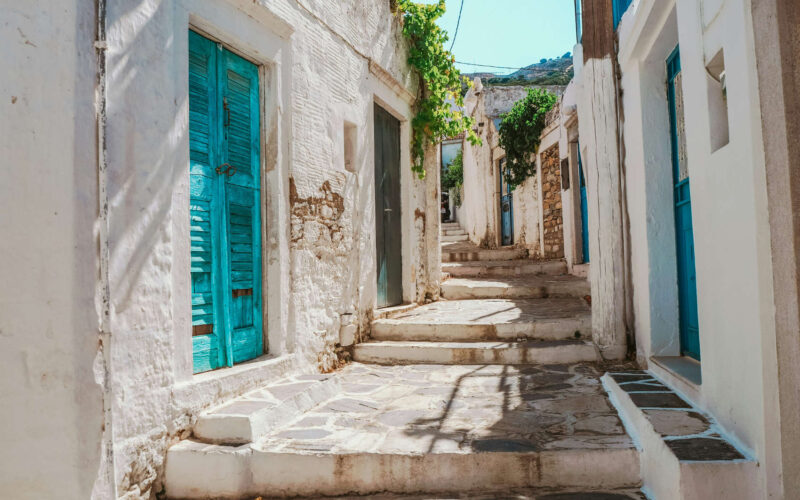
If you’ve ever dreamt of the Cyclades beyond Santorini’s crowds and clichés, this is your sign to look closer. There’s a quieter Aegean waiting – a handful of hidden Cyclades islands where time slows, locals still wave from doorsteps, and boutique stays feel more like homes than hotels.
In this 2026 guide, we’ll take you to seven off-the-beaten-path Greek islands that haven’t sold their soul to mass tourism. They’re beautiful in that effortless, quietly confident way — all faded shutters, wild thyme, and harbors that feel like secrets. These are the less crowded Cyclades islands cultural travelers dream of — and they might just be the Greece you’ve been hoping to find.
Syros: A Neoclassical Masterpiece
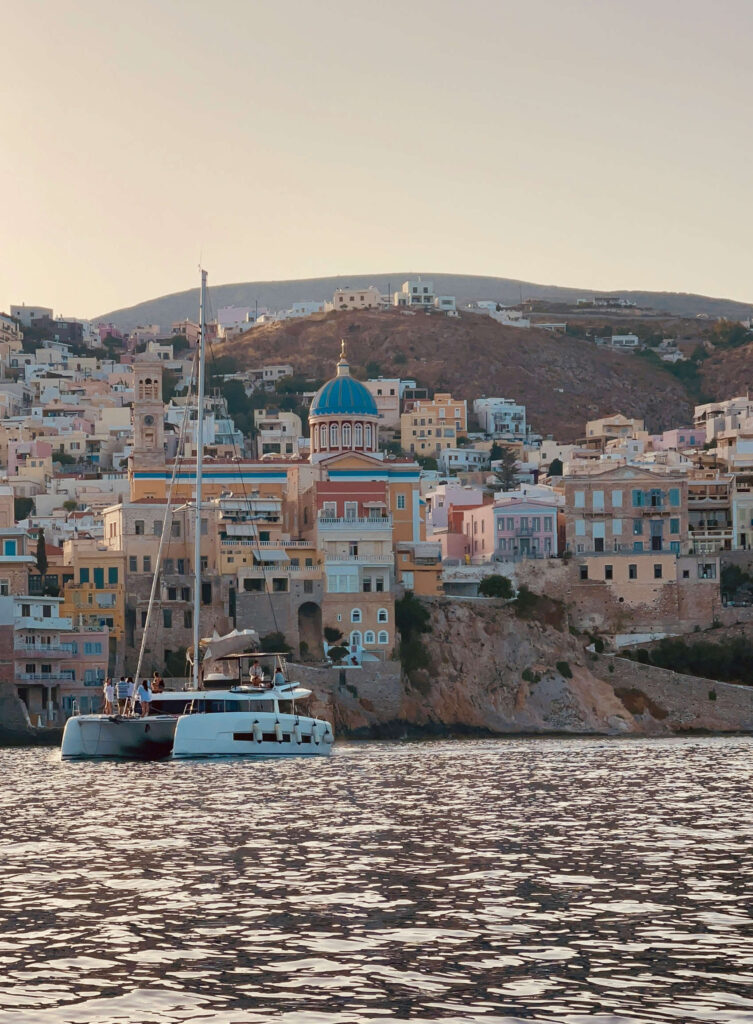
Syros is the Cyclades’ grand dame of architecture and culture, a hidden jewel where neoclassical elegance meets easygoing island life. In the port capital of Ermoupoli, marble-paved streets and pastel-hued palazzos evoke the grandeur of 19th-century Europe. The influence of Italian architects is everywhere – from the stately Town Hall anchoring Miaouli Square to the restored Apollo Theater (a miniature La Scala in design) where locals still enjoy concerts and operas. Around every corner, intricate wrought-iron balconies and frescoed ceilings hint at Syros’s prosperous past as a trading hub.
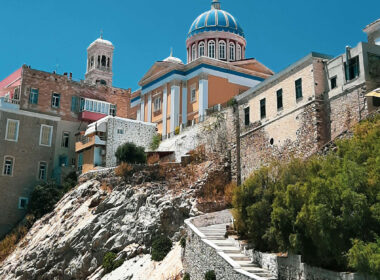
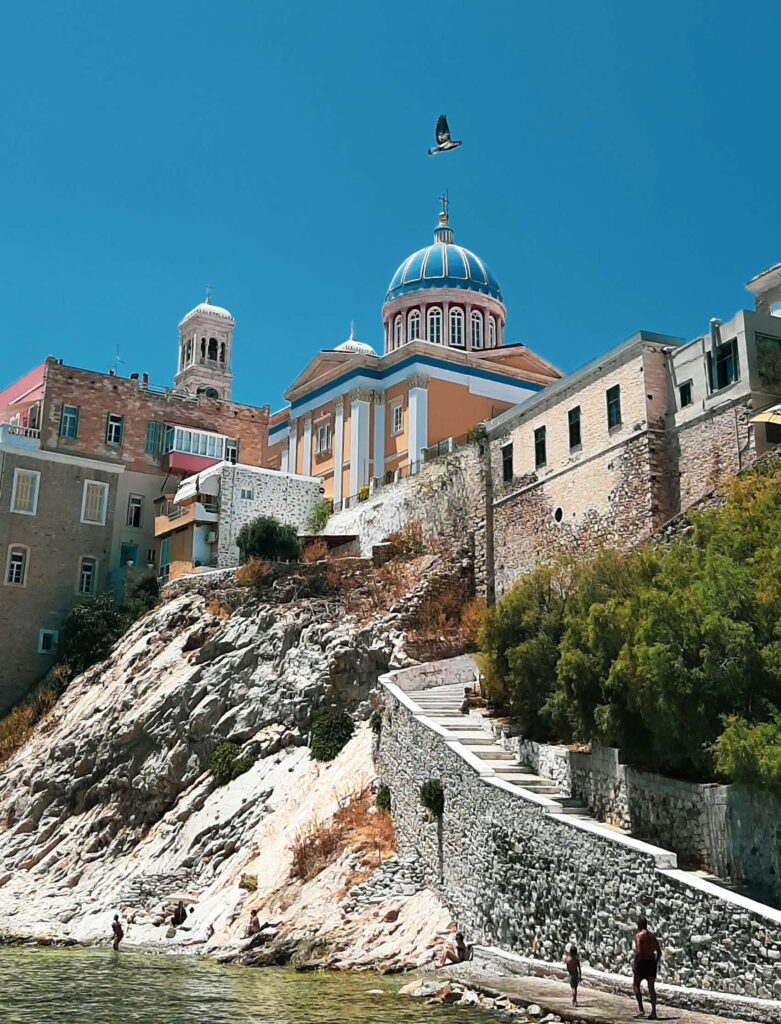
Yet Syros is far from a museum piece. As the administrative capital of the Cyclades, the island buzzes year-round with authentic Greek life. Orthodox and Catholic churches share the skyline above Ermoupoli, and seasonal festivals animate historic venues like the Apollo Theater and the mansions of the Vaporia quarter. After absorbing the Old-World atmosphere, you can unwind at chic seaside bars or on calm beaches glowing in the late afternoon light. Syros’s blend of architectural polish and genuine community spirit captures the best of Cycladic life – elegant but unpretentious, cultured yet quietly relaxed.
Cultural Highlights:
Ermoupoli’s neoclassical Town Hall and Miaouli Square
The Apollo Theater (19th-century opera house)
Vaporia Quarter’s “Little Venice” mansions along the sea
Ano Syros, the hillside medieval settlement with its Catholic basilica and sweeping views
Archaeological site of Chalandriani (Bronze Age ruins on the north of the island)
Cafés & Bites: Epta (stylish café for brunch), Armadillo Coffee Brewery, Thessalonikia Bougatsa (for traditional custard pie), Django Gelato (homemade gelato by the port)
Tavernas for Dinner: To Mikraki (seasonal Cycladic dishes), To Tsipouradiko tis Mirsinis (lively meze spot), To Petrino (local favorites in Ano Syros), Allou Yialou (seafood with sunset views)
Evening Drinks: Porte Galleria del Cocktail (craft cocktails in a historic building), Kouchico (intimate bar in a quaint alley)
Beach Hangouts: Ciel and Ono Concept beach clubs for daytime relaxation on the sand
Tinos: The Artistic Soul of the Cyclades
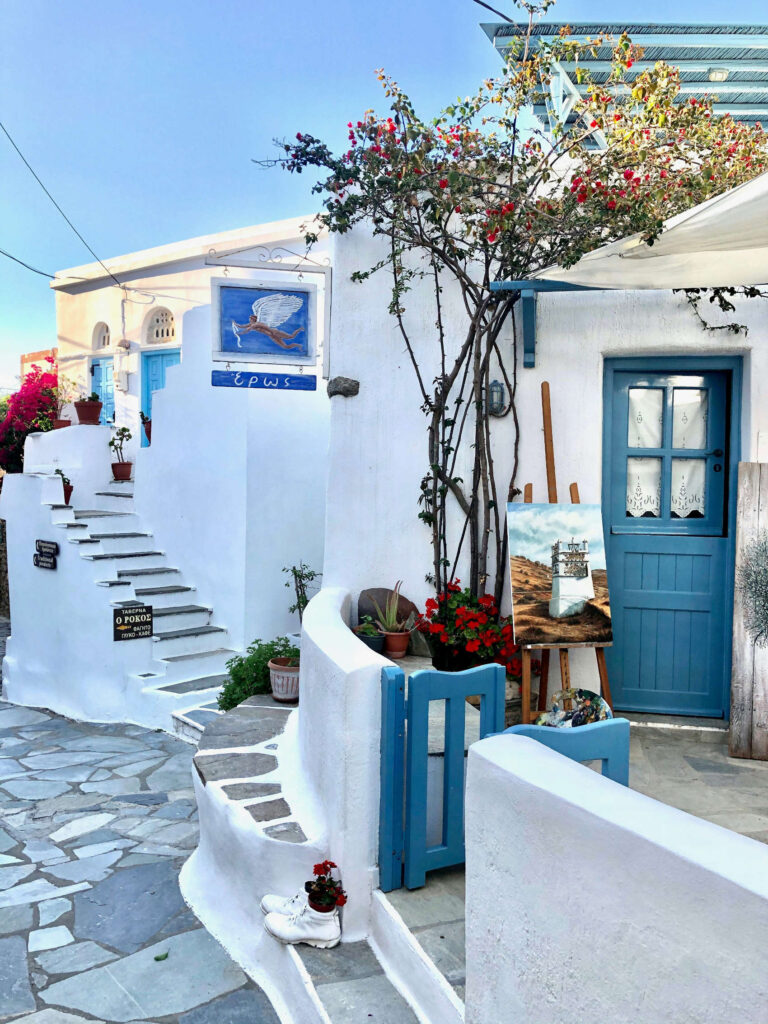
Tinos exudes a quietly reverent beauty, known both for its sacred sites and its thriving arts. This is the island where devout pilgrims trek uphill to the Church of Panagia Evangelistria each August, and where master marble sculptors have turned whole villages into open-air galleries. In hilltowns like Pyrgos – dubbed the “marble village” – gleaming white workshops showcase intricate carvings, and even the bus stops are made of local marble. Everywhere you look are dovecotes: ornate stone pigeon houses adorned with lace-like geometric patterns, dotting the terraced hillsides. These structures, built in the 18th and 19th centuries, exemplify Tinos’s unique blend of art and agrarian tradition.
Beyond its artistic heritage, Tinos feels contemplative and authentic. Dozens of whitewashed villages, each with its own character, invite unhurried exploration. Stroll through narrow alleys in Kardiani or Isternia and discover tiny art galleries, shaded squares, and centuries-old chapels. The island’s creative energy comes alive in summer craft fairs and music festivals, yet Tinos remains largely untouched by mass tourism.
It’s an island of faith and art: you might spend the morning hiking to a mountainside monastery and the afternoon chatting with a local potter over a glass of raki. The pace here is old-fashioned, and the welcome is genuine.
Cultural Highlights:
Church of Panagia Evangelistria (Greece’s most famous Orthodox pilgrimage church)
Historic dovecotes scattered across the countryside (look around Tarambados village)
Museum of Marble Crafts in Pyrgos
Chalepas Museum (house of the renowned sculptor Yannoulis Chalepas)
Sanctuary of Poseidon and Amphitrite ruins at Kionia (ancient healing temple site)
Local Cafés: Mikro Café (cozy spot in Tinos town), Antilalos (arts café with bohemian vibe), Mayou All-Day Bar (for coffee or cocktails under the plane tree), Platanos (traditional kafeneio in Pyrgos known for spoon sweets)
Authentic Tavernas: To Thalassaki (gourmet twist on Tinian cuisine by the sea), Tsipouradiko tis Mirsinis (for meze and tsipouro in a back alley), To Petrino (family-run with daily specials), Sto Kapaki (local favorites in a rustic setting)
Bars & Wineries: Kaktos Bar (laid-back cocktails with a view), T-Oinos Winery (award-winning vineyard offering tastings of Tinos’s volcanic wines)
Beach Escape: Alohari Beach Bar on Agios Fokas beach – a mellow spot to enjoy a drink with your toes in the sand
Villages not to miss: Pyrgos (art and marble at every turn), Isternia (sunset views and artists’ studios), Volax (surreal boulder landscape and basket weavers), and Kardiani (lush greenery and spring water fountains).
Naxos: Ancient Roots, Vibrant Life
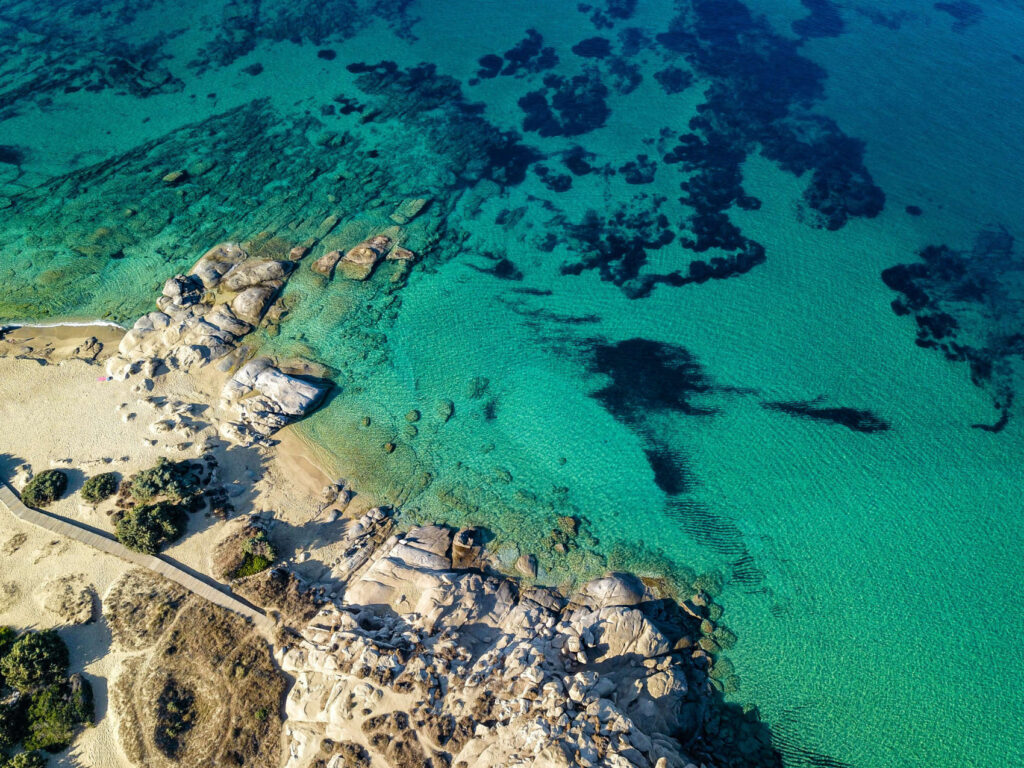
The largest of the Cyclades, Naxos balances antiquity and modern island living in perfect harmony. The first sight greeting you is the Portara, a massive marble gate standing solitary on an islet – the unfinished Temple of Apollo that has become Naxos’s emblem. From there, history unfolds around every corner. Wander the labyrinthine lanes of the Kastro (castle) district in Naxos Town (Chora), where medieval Venetian mansions and Byzantine chapels whisper tales of dukes and duchesses. Within the castle walls lie treasures like the Archaeological Museum and a 13th-century Catholic cathedral, relics of Naxos’s time as a Venetian duchy.
Step outside the Kastro and you’re back in the lively present. Chora’s waterfront bustles with café terraces and boutique shops, yet even amid the buzz Naxos never feels overrun – it retains a laid-back, local character. By day, visit mountain villages like Apiranthos or Halki, each with stone-built homes, tiny museums, and welcoming tavernas under grapevine pergolas. By night, join the relaxed nightlife: perhaps a sunset cocktail overlooking the harbor or live music in a hidden courtyard bar under bougainvillea.
Naxos is also a paradise for nature lovers – from the long sandy beaches of its southwest coast to the hiking trails up Mount Zas (the Cyclades’ highest peak, said to be the childhood haunt of Zeus). The island’s diversity means you can bask on a quiet beach in the morning, explore an ancient temple by afternoon, and dine on farm-fresh specialties in a village square by evening.
Historical Sights:
The Portara of Naxos (sunset is a must)
Venetian Kastro and Glezos Tower in Chora
Temple of Demeter in Sangri (restored Classical-era temple amid farmland)
Panagia Drosiani Church (early Byzantine church with original frescoes)
Kalamitsia Monastery ruins (a mysterious 17th-century estate in a lush valley)
Favorite Eateries: 1739 Avaton (rooftop café-bar) in the Kastro (for coffee or wine with a view), Kavouri (delicious breakfasts by the sea), Axiotissa (creative farm-to-table taverna in the countryside), Metaxi Mas (traditional dishes in Apiranthos), Paradiso Taverna (fresh fish and Naxian specialties on Plaka Beach)
Evening Out: Like Home Bar (cocktails and DJ sets in Chora), Yazoo Summer Bliss (beach bar with music at Plaka), Meli & Kanela (café-bar known for local liqueurs)
Beach Bliss: Agios Prokopios and Agia Anna (organized but gorgeous), Plaka Beach (miles of soft sand and turquoise water), Aliko (secluded coves backed by cedar trees)
Villages to explore: Apiranthos (marble alleys and folklore museums), Halki (neoclassical mansions and a famous citron liqueur distillery), Filoti (built amphitheatrically on Mt. Zas), and Koronos (a mountainside village known for its old mines and authentic tavernas).
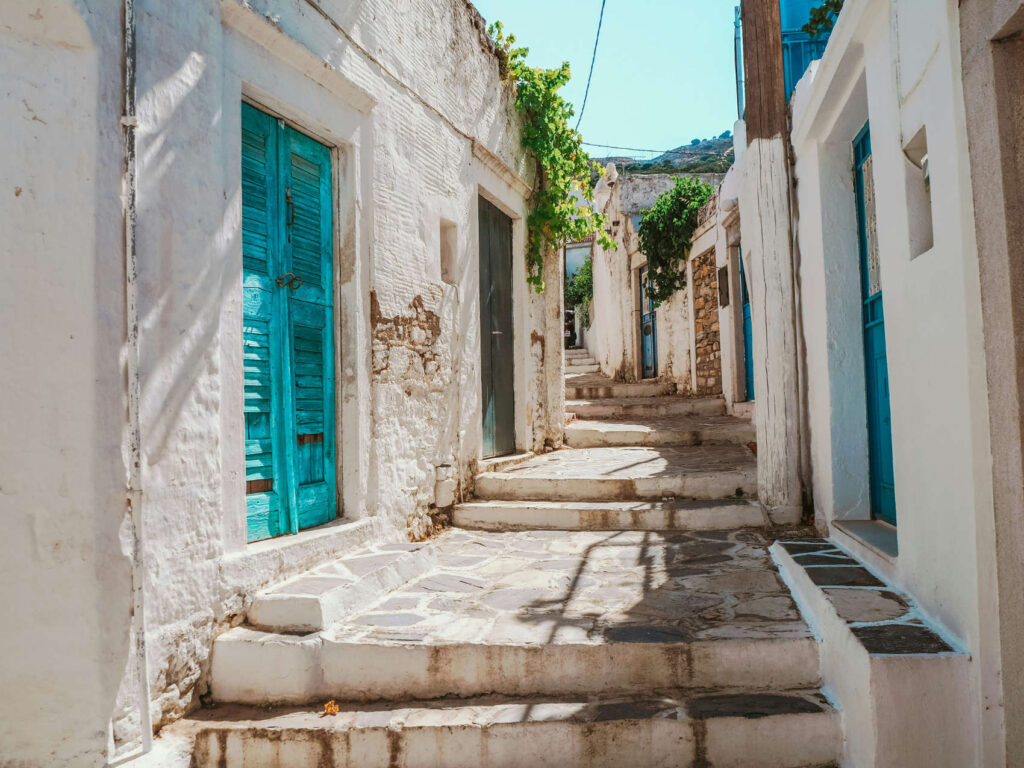
Folegandros: Timeless Tranquility on the Cliff’s Edge

Remote and rugged, Folegandros offers a glimpse of Greek island life distilled to its essence. With no airport and just a single main road, this small island remains blissfully off the beaten path. Its clifftop Chora is often called one of the most charming villages in the Cyclades: a cluster of whitewashed houses with colorful doors and bougainvillea, perched dramatically above the Aegean. In Chora’s central squares, children play in the afternoons while locals sip coffee at kafeneia, and as evening falls, tavernas set out tables under the stars. The oldest part of town, the Kastro, is a 13th-century fortified quarter where time seems to stand still – narrow alleys, tiny chapels, and houses with wooden balconies form a living museum of medieval Cycladic life.
Nature and tradition reign on Folegandros. Locals still harvest capers and tend terraced fields, and many of the island’s beaches are reachable only by boat or by foot, preserving their untouched allure. A trek up the zigzag path to the clifftop Panagia Church rewards you with panoramic views and a sense of awe – especially if you arrive at sunset, when the sea far below turns molten gold. Come August, the island’s biggest celebration, the Feast of the Assumption, sees villagers carrying the Virgin Mary’s icon from house to house in Chora, with impromptu feasts and folk songs at each stop.
It’s an authentic slice of Cycladic culture that visitors are welcome to join. Above all, Folegandros invites you to slow down: to hike scenic trails between its three small villages, dive into crystal-clear coves like Kátergo, and share a glass of raki with friendly locals under a sky full of stars.
Don’t Miss:
The Panagia Church on the clifftop (a white church with breathtaking views and a miraculous icon)
Kastro quarter in Chora (wander its ancient pedestrian lanes)
Ano Meriá village and the Folklore Museum (for insight into traditional farm life)
Boat trip to Kátergo Beach (secluded paradise with turquoise water)
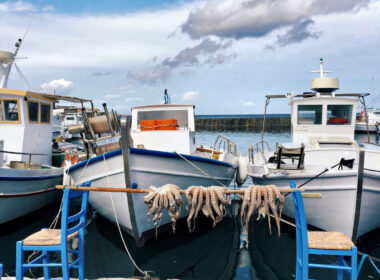
Karavostasis harbor at dusk (fishing boats, calm waters, and a few tavernas by the pier)
Cozy Eats: Rakentía (café-bar with sunset views over Chora), Parasagas (bakery in Ano Meriá for fresh bread and cheese pies), Papalagi Tavern (fresh fish by the sea in Agali), Blue Cuisine (modern Greek dining using local products), Dal Capo del Porto (Italian flair at the port)
Low-Key Nightlife: Beez Cocktail Bar (Chora’s intimate spot for an after-dinner drink or two)
(Note: Folegandros has no big beach clubs or resort strips – its beauty lies in quiet beaches and authentic village life, so be ready to embrace the simplicity.)
Villages: Chora is the main hub; Ano Meriá offers pastoral tranquility and an authentic tavern without electricity; and the tiny port village of Karavostasis is perfect for a peaceful swim followed by fresh seafood.
Sifnos: Cycladic Cuisine and Charm
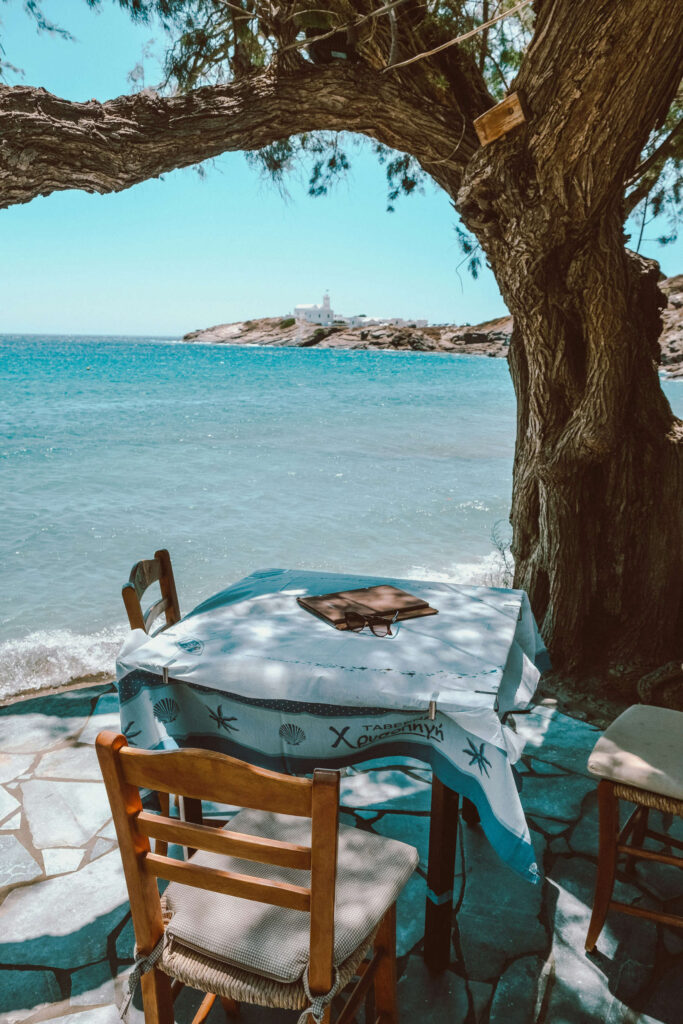
Sifnos is a Cycladic island famed for its rich culinary heritage and unspoiled villages – a Greek gourmet’s paradise tucked away from the flash of Santorini. It’s often called the foodie isle of the Cyclades, birthplace of Nicholas Tselementes (author of Greece’s first modern cookbook) and home to recipes passed down for centuries. As you arrive on Sifnos, the aroma of chickpea soup simmering in a clay pot or mastélo (lamb slow-cooked in wine) might welcome you. In the main town of Apollonia, evenings begin with leisurely strolls through narrow lanes lined with bougainvillea and end in lively conversations at family-run tavernas. The island’s devotion to tradition is evident in its architecture too: white cubic houses with painted shutters, dozens of blue-domed churches (one for nearly every day of the year), and hilltop monasteries offering panoramic views of the Aegean.
History and beauty converge in Kastro, Sifnos’s clifftop old capital. This medieval village, built on ancient foundations, is a maze of stone alleys and old Venetian houses, with a tiny archaeological museum and the postcard-perfect Chapel of Seven Martyrs perched on a rock in the sea below. Down along the coast, the bay of Kamares hosts pottery workshops where artisans shape Sifnos’s famous ceramics – a craft the island has mastered for over 3,000 years. If you visit in early September, don’t miss the annual Cycladic Gastronomy Festival (the Tselementes Festival), when chefs from all over Greece come to cook in village squares and every courtyard is filled with music and delicious scents.
Despite its gourmet reputation, Sifnos remains humble and welcoming. Afternoons here might mean hiking an ancient footpath from one whitewashed village to the next, or sunbathing on a quiet beach like Vathi or Faros. Evenings are for savoring revitháda (baked chickpeas) and sipping local wine under the stars. Life moves at an easy pace, and visitors quickly slip into its rhythm.
Signature Experiences:
Exploring Kastro village and visiting the Church of Seven Martyrs at sunset
Shopping for hand-thrown pottery in Artemonas or Kamares (look for the distinctive Sifnos designs)
Visiting the Chrysopigi Monastery, majestically set on its own peninsula by the sea
Hiking the trail from Apollonia to Profitis Ilias (the island’s highest peak with a monastery on top)
Joining a village panigýri (festival) with traditional music, dancing, and endless food (a true Sifnos experience if your timing is right)
Foodie Favorites: Drakákis (a legendary old meze bar in Apollonia), To Konaki (bakery in Artemonas known for almond cookies), Omega3 (hip seafood bar on Platis Gialos beach), Ognio (modern taverna in Apollonia celebrating farm-to-table cooking)
Drinks & Nightlife: Café Folie (for morning coffee and people-watching in Apollonia), Loggia Wine Bar (intimate spot in Kastro for local wines and jazz music), Almyra (cocktail bar on the beach in Kamares, perfect at sunset)
Beach Day: Vathi (calm bay with a tiny white church and tavernas on the sand), Platys Gialos (long sandy beach with water sports and cafés), and Cheronissos (a little fishing-village beach at the northern tip, great for a fresh fish lunch).
Villages to wander: Apollonia (bustling lanes and nightlife), Artemonas (elegant 19th-century homes and pastry shops), Kastro (history and sea views), and Exambela (charming farming village, birthplace of Chef Tselementes – a nod to Sifnos’s culinary soul).
Serifos - Wild, Wind-Swept, Underrated
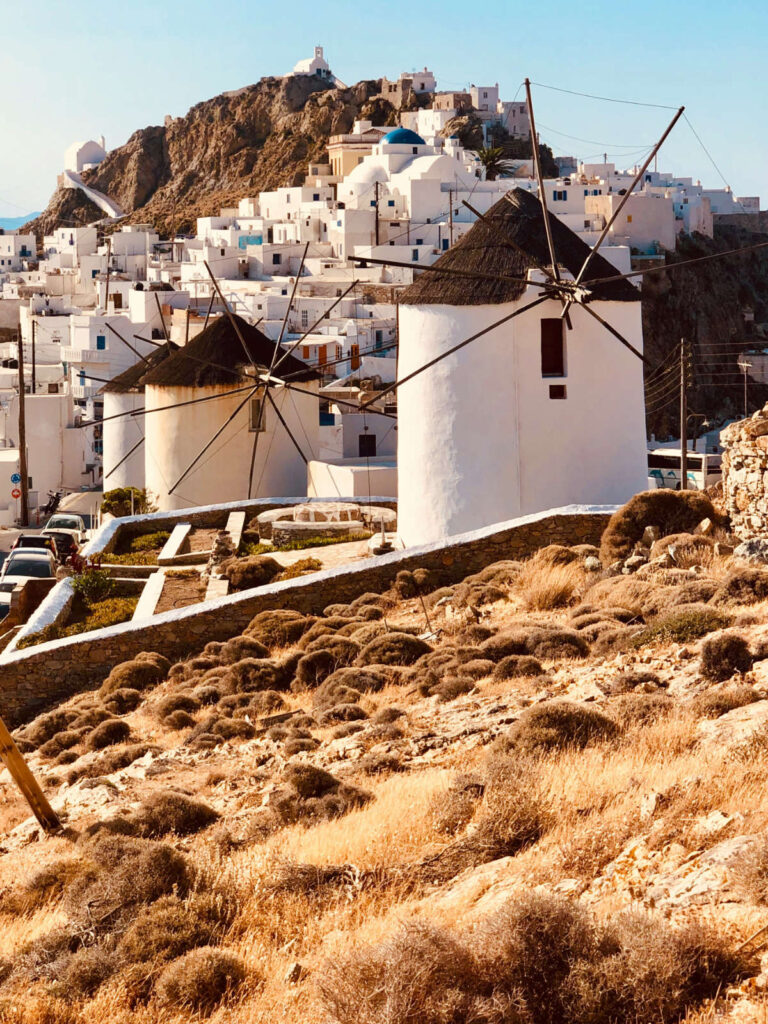
One of the most dramatically beautiful hidden Cyclades islands, Serifos balances rugged nature with a soulful, slow-paced rhythm. Its striking bare hills plunge into clear coves, while its iconic hilltop Chora glows golden at sunset — a maze of white alleys and Venetian remnants untouched by mass tourism. Serifos doesn’t try to impress; it simply is.
Beach lovers quietly spread the word about Psili Ammos, a calm, award-winning stretch of sand with crystalline water and zero noise. Inland, miners’ ghost towns and scattered windmills speak to the island’s tough, storied past — most famously the 1916 strike that shaped modern Greek labor laws. Yet today, the island whispers freedom: wake with cicadas, hike old stone paths, dine under fig trees, sleep to the sea’s hush.
Eat & Stay:
Marathoriza (Chora) – warm, authentic Serifos home cooking
Takis (Livadi) – fresh catch and grilled vegetables right on the beach
Rizes (Agios Sostis) – boutique restaurant and hotel with high-end flair
Who It’s For: Solo travelers, couples, or creatives craving raw beauty, literature-inspiring solitude, and real Greek spirit without filters.
Amorgos - Remote, Raw, Unforgettable
If you crave wild landscapes, deep sea blues, and off-the-beaten-path Greek islands that feel cinematic and spiritual, Amorgos delivers. Remote and vertical, Amorgos draws the kind of traveler who’d rather hike an ancient path to a cliffside monastery than queue for beach club cocktails.
The iconic Hozoviotissa Monastery, built into sheer rock 300 meters above the sea, feels almost supernatural. Below, the water glows with impossible clarity — perfect for snorkelers and freedivers chasing serenity. The villages of Chora and Aegiali invite slow wandering, café conversations, and poetry over rakomelo.
Eat & Stay:
Tranzistoraki (Chora) – nostalgic, cozy, and packed with Cycladic flavors
Amorgialos (Aegiali) – organic, seasonal, deeply satisfying
Vorina Ktismata – elegant suites inside restored traditional houses
Who It’s For: Mindful travelers, hikers, artists, or anyone seeking space to disconnect and reconnect with self, nature, and beauty.
Why These Islands Matter Now
As Greece enters another golden season, the call to travel deeper – not louder – has never felt more relevant. These hidden Cyclades islands offer more than just beauty. They offer breathing space. In an era of overtourism and curated sameness, places like Serifos, Tinos, Amorgos, and Folegandros invite something rarer: stillness, soul, and stories waiting to unfold at your own pace.
Whether you’re planning a full itinerary or choosing just one quiet island base, trust that each of these destinations will give you Greece not just as a place — but as a feeling. The kind that stays with you long after summer ends.