



Planning a calm Greek island escape in 2026 but unsure whether to choose Paros or Naxos? You’re not alone. This honest guide compares Paros vs Naxos across everything that matters for today’s traveler: vibe, beaches, boutique hotels, food scenes, off-season life, and more. If you’re a couple looking for romance, a creative soul needing stillness, or simply seeking the best Greek island for calm travel, this breakdown will help you decide which island truly suits your pace. You can also explore our full guide on where to stay in Greece 2026 for a regional breakdown of calm bases and boutique hotels across the country.
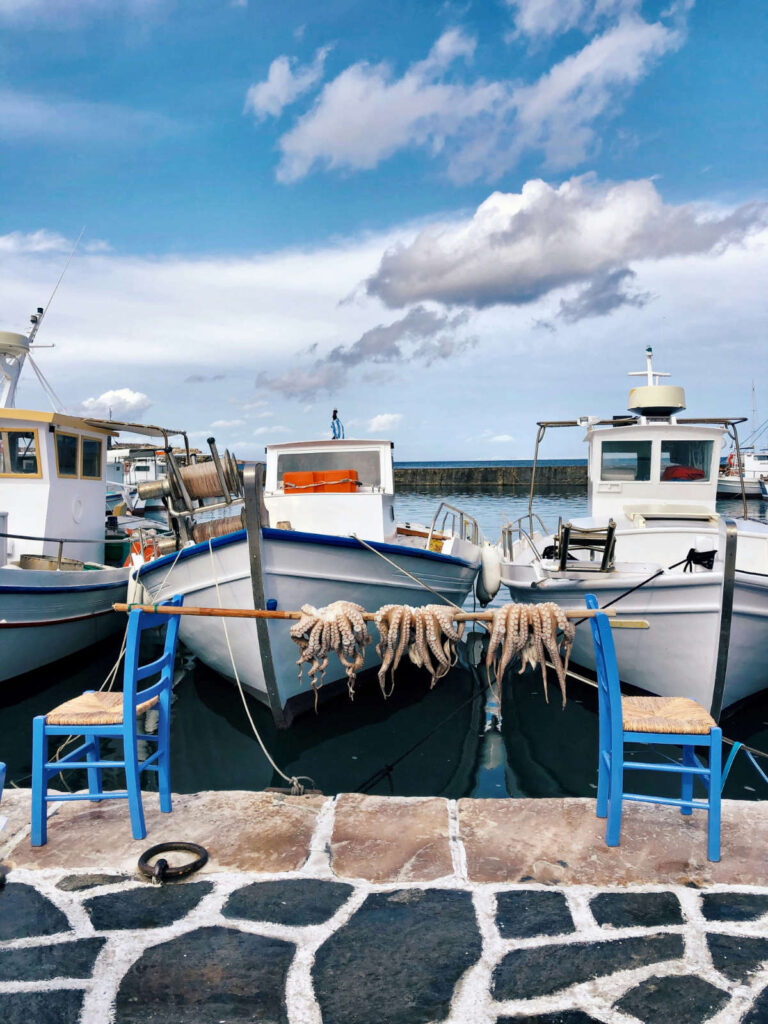
Table of Contents
Vibe and Atmosphere
Beaches
Boutique Hotels & Accommodation
Food & Dining
Transport & Accessibility
Off-Season Travel
Paros vs Naxos: Which Island Should You Choose?
Vibe and Atmosphere
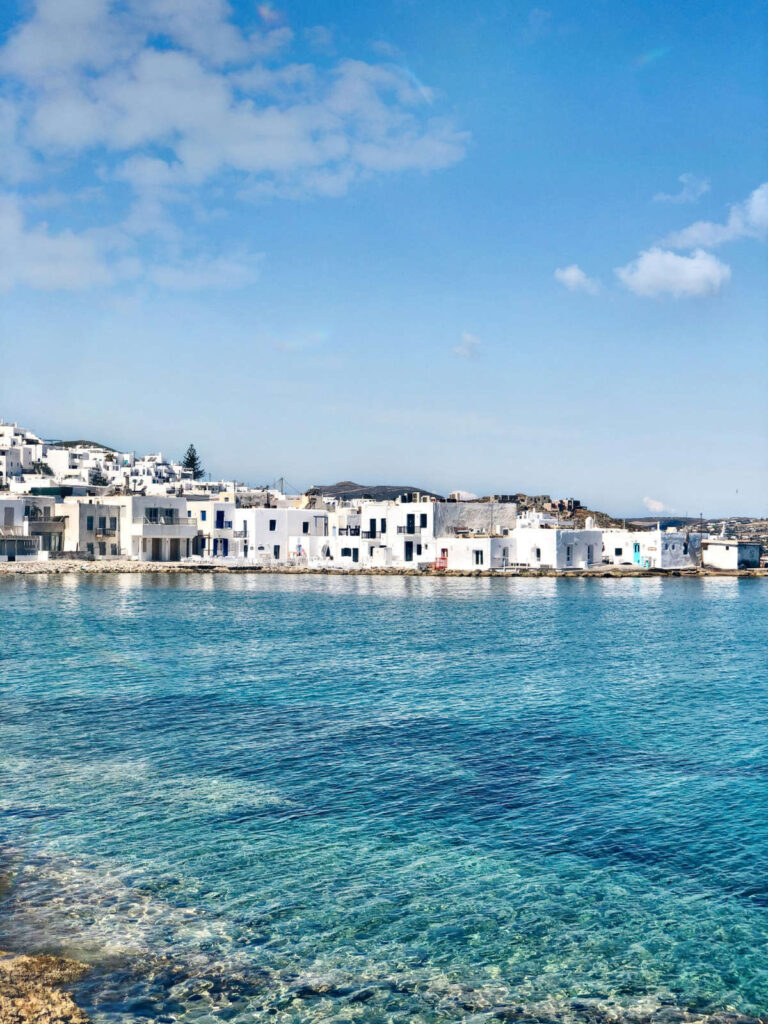
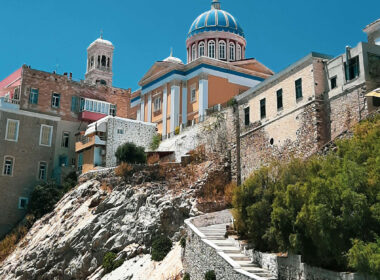
Both Paros and Naxos promise a laid-back Greek island feel, but their vibes cater to different tastes. Paros comes across as chic and lively, with a fashionable yet easygoing atmosphere. Its postcard-perfect harbor town of Naoussa buzzes with boutique shops, wine bars, and a cosmopolitan crowd in the summer evenings. Paros is often touted as ideal for couples and those seeking a stylish social scene, thanks to its charming villages and upscale touches. You’ll find trendy beach clubs and cocktail bars in Paros’s towns, though the nightlife is pleasantly mellow (no wild Mykonos-style parties here). In short, Paros offers lively Cycladic charm without sacrificing its relaxed, romantic ambiance.
Naxos, by contrast, exudes a traditional, relaxed & scenic vibe. As the largest Cycladic island, Naxos is greener and more spread out, dotted with farming villages, ancient ruins, and long stretches of countryside. Life moves a bit slower here. The main town (Chora) has rustic tavernas and an Old Town under the Venetian castle, giving travelers a taste of authentic local life. Nightlife in Naxos is low-key – think cozy tavernas with live music and sunset bars – making it perfect for families or anyone not keen on late-night clubbing. Naxos feels less “boutique” and more down-to-earth: it’s a working island with a proud local culture, historic churches, and a truly authentic Greek feel. If you’re inspired by tradition and serenity, Naxos’s vibe will win your heart.
If you’re deciding between Paros or Naxos for couples, the vibe matters: one offers chic romance and design-driven stays, while the other delivers quiet authenticity rooted in tradition.
In summary: Paros vs Naxos vibe boils down to fashionable charm versus authentic calm. Paros is stylish, social, and great for couples or boutique-loving travelers. Naxos is quiet, old-world, and fantastic for those who want genuine Greek culture and a slower pace. Neither is a “party island,” so you can’t go wrong if calm Greek island travel is your goal. It really comes down to whether you prefer Paros’s chic whitewashed villages with a buzz, or Naxos’s rustic mountain villages and pastoral ambiance.
Beaches
Both islands boast some of the best beaches in the Cyclades, but there are key differences in the beach experience. Naxos is famous for its beaches – imagine long, wide swaths of golden sand and unbelievably clear, turquoise waters. On Naxos’s west coast, beaches like Agios Prokopios, Agia Anna, and Plaka form an almost continuous ribbon of soft sand perfect for swimming and long walks. Plaka Beach alone stretches ~4 km, giving plenty of space even in peak season. These shores have calm, shallow waters ideal for families and quiet relaxation, with enough beachfront tavernas and sunbeds to be comfortable (yet they never feel as crowded as Mykonos or Santorini). Naxos also hides some more secluded coves and even undeveloped beaches (like Aliko or Hawaii Beach) if you’re willing to explore. For windsurfing and kitesurfing enthusiasts, Naxos’s Mikri Vigla beach is a hotspot thanks to the reliable Meltemi winds.
Paros, on the other hand, offers more variety in its beaches despite being smaller. You’ll find scenic coves and bays—from the famous Kolymbithres Beach with its otherworldly granite rock formations to the golden sands of Chrissi Akti (Golden Beach), a windsurfing haven. Paros has many picturesque bays like Monastiri Beach or Santa Maria, often home to chic beach clubs and cozy loungers. The waters around Paros are just as crystal-clear, but the beaches tend to be shorter stretches nestled in coves rather than Naxos’s expansive strands. Some Paros beaches (like Punta or Golden Beach) draw windsurfers and kitesurfers similar to Naxos. Others, like Faragas or Marchello Beach, offer tranquil swimming in beautifully sheltered settings. Do note that in peak summer, Paros’s popular beaches can feel busier due to the island’s rising popularity – Paros has definitely been “discovered” by boutique travelers, so spots like Kolymbithres or Santa Maria fill up fast on August afternoons.
Beach verdict: If you dream of endless, quiet shorelines, Naxos wins for “a quiet Greek island with nice beaches.” It simply has more sand and space. But if you prefer diverse beach scenery – from photogenic coves to organized beach clubs – Paros is a delight. Both islands offer excellent swimming and sunbathing with that dazzling Aegean water. Beach lovers honestly can’t go wrong with either, but Naxos’s beaches are often cited as among the best in Greece for their sheer length and beauty. Meanwhile, Paros’s beaches stand out for charm and variety (and for Instagrammers, those unique rock formations are hard to resist!).
(Travel tip: If you have time, you can even ferry-hop between them for a day at the other’s beaches – the islands are only 30–45 minutes apart by ferry.)
Boutique Hotels & Accommodation
When it comes to places to stay, the difference between Paros and Naxos is pronounced. Paros has gained a reputation for boutique luxury in recent years, with an array of stylish hotels, suites, and design-forward villas popping up around the island. In Naoussa and Parikia, you’ll find chic boutique hotels and resorts that wouldn’t be out of place in Santorini – think infinity pools, hip decor, and private plunge pools. High-end properties like Parīlio Hotel or Marriott’s Cosme in Paros cater to travelers seeking upscale comfort and Cycladic elegance. Many Paros accommodations are romantic hideaways perfect for couples, featuring sunset views and luxury amenities. Expect higher price tags here; Paros is generally more expensive for lodging (and dining) than Naxos. If you value curated design, personalized service, and don’t mind spending for a special stay, Paros delivers in spades.
Naxos, in contrast, remains more low-key and budget-friendly in its accommodation scene. You won’t find mega luxury resorts here (and that’s part of Naxos’s charm!). Instead, Naxos offers family-run hotels, cozy guesthouses, and simple beach studios that are big on hospitality if not on extravagance. Many Naxos stays are small properties with maybe a dozen rooms, often just steps from the beach or nestled in villages. They might lack marble bathrooms or designer furniture, but they make up for it with local warmth and excellent value. In fact, Naxos is notably cheaper than Paros for comparable lodging, making it great for longer stays or travelers on a moderate budget. That said, Naxos does have a handful of upscale options – for example, the Nissaki Beach Hotel in Naxos Town offers boutique chic right on a sandy beach, and is often rated the island’s top luxury stay. But such examples are the exception rather than the rule.
Staying in Paros vs Naxos: If your vision of vacation is a boutique hotel with a private plunge pool and champagne at sunset, you’ll find more choices on Paros. It’s perfect for honeymooners or anyone who loves a little luxury (just be ready to book early – these hotels fill up fast in summer!). On Naxos, accommodations are simpler but very charming, ideal for travelers who prioritize authenticity and comfort over luxury. Many repeat visitors rave that Naxos’s family-run pensions made them feel at home. Couples often lean Paros for the romantic stays, while families and long-term travelers appreciate Naxos’s space and value.
Food & Dining
Foodies, rejoice – both Paros and Naxos will treat your taste buds to authentic Greek flavors, but there are some differences in the dining scene. Naxos has a well-earned reputation as one of Greece’s best “food islands”, thanks to its rich agricultural tradition. This island is the agricultural heart of the Cyclades, famous for its local produce: Naxian potatoes (said to be the country’s tastiest), a variety of cheeses, olive oil, citrus liqueur (Kitron), honey, and meats. As a result, eating on Naxos is often a farm-to-table experience. You’ll find no-frills tavernas serving up hearty Naxian specialties – like roast pork, goat stew, stuffed vine leaves, and delicious graviera cheese – at very reasonable prices. In Naxos Town and villages like Halki or Apiranthos, most restaurants are family-run and prioritize traditional recipes. Don’t miss trying the local dishes and perhaps visiting a family winery or cheese farm if you have time. The food is authentic, hearty, and memorable, especially for travelers who love immersing in local cuisine. (Insider tip: Try To Elliniko in Naxos Town for classic Greek fare, or head to a mountain village kafeneio for an unforgettable homemade meal.)
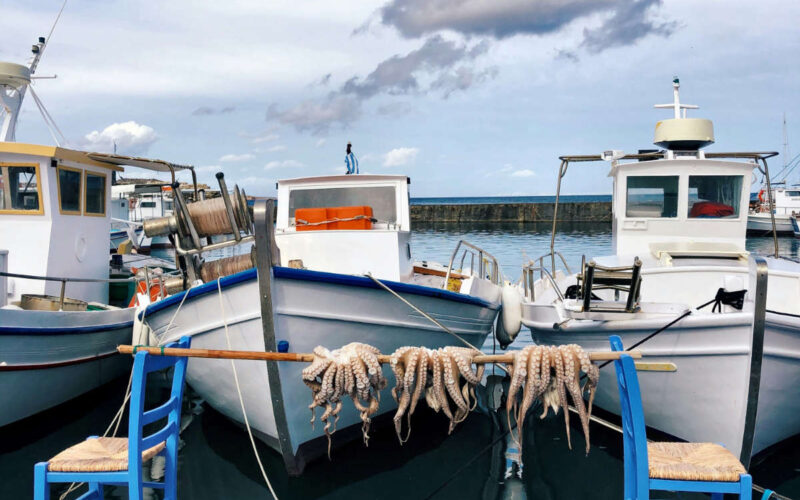
Paros also boasts excellent dining, with plenty of fresh seafood and Greek classics, but the scene skews a bit more trendy and upscale compared to Naxos. In Naoussa especially, you’ll discover gourmet restaurants and stylish bistros tucked along the harbor and cobbled alleys. Paros’s dining scene has evolved with its boutique tourism – meaning you can enjoy creative Cycladic cuisine, tasting menus, and chic wine bars, in addition to traditional tavernas. There are still family-run eateries (for example, grilled octopus at a simple taverna in Parikia can be bliss), but Paros overall offers more cosmopolitan dining options and even a few fine-dining establishments. Seafood is a highlight – think Paros sashimi, ouzo-infused mussels, or the catch of the day by the seaside. And if you fancy international cuisine or a modern twist on Greek food, Paros will have you covered. Just note that prices on Paros can be higher at those swanky restaurants (yet you can still find affordable gyros and tavernas if you look).
Foodie verdict: If you’re a “food lover” seeking authentic flavors and local products, Naxos might steal your stomach – it’s known for farm-fresh ingredients and traditional tavernas on every corner. If you’re into a diverse dining scene with some gourmet flair, Paros will delight, especially for a special romantic dinner or wine tasting by the sea. Many travelers actually fall in love with the food on both islands. Perhaps consider a cooking class or food tour on Naxos and a seafood feast in Paros’s Naoussa – you truly can’t go wrong. Just arrive hungry!
Transport & Accessibility
Getting to and around the islands is another factor to consider in the Paros vs Naxos debate, especially if you plan to explore. The good news: both Paros and Naxos are well-connected and manageable, but there are a few differences:
Location & Ferries: Paros and Naxos sit practically next to each other in the central Cyclades, so both are easy to include in a Greek island-hopping itinerary. Ferries from Athens (Piraeus or Rafina ports) run frequently to both islands, especially in summer. Typically, Paros is the first stop from Athens (about 4 hours by standard ferry, or 2.5 hours by fast ferry), then the route continues 40 more minutes to Naxos. There are also multiple daily ferries directly between Paros and Naxos, making it a breeze to visit both. In terms of ferry access, it’s basically a tie – both islands are major ferry hubs in high season, with connections to Santorini, Mykonos, and more.
Flights: If you prefer to fly from Athens, Paros has a slight edge. Paros has a newer domestic airport that accommodates regular flights from Athens (usually 35-minute flights on Olympic/Aegean Air). Naxos also has a small airport, but with very limited capacity (small prop planes and fewer flights). In fact, Paros’s airport is larger and sees more frequent connections, making it easier to reach by air. Naxos is currently expanding its airport for the 2026 season, which may improve flight options in the near future. For now, if you’re flying in, Paros might be more convenient, while Naxos often requires booking flights well in advance due to high demand and limited seats. (Otherwise, flying to Mykonos or Santorini and ferrying to Naxos is another option some choose.)
Getting Around (Public Transport vs Car): On-island transport differs in line with their sizes. Paros is a smaller island with an excellent local bus network – one of the most extensive in the Cyclades. KTEL buses on Paros can take you from Parikia (the main port town) to virtually all the key villages and beaches (Naoussa, Lefkes, Golden Beach, etc.), especially during summer when schedules are frequent. This means if you don’t want to rent a car or scooter on Paros, you can still sightsee relatively easily. Taxis are also available in Paros (though in peak season, always arrange in advance as there aren’t many). Naxos, being much larger and more mountainous, also has a decent bus system from Naxos Town to popular beaches and some villages, but it doesn’t reach as many off-the-beaten-path spots. For instance, you can bus to Apiranthos or Halki, but to reach tiny mountain hamlets or remote beaches on Naxos, you’d need your own wheels. Renting a car/ATV is popular on Naxos to explore its sprawling interior – driving is straightforward, though note the east coast of Naxos has some rougher roads. Paros’s roads form an easy loop around the flat island, so driving there is very simple as well, but less necessary given its size.
Navigability: Paros’s compact size means you can drive end-to-end in about 30–40 minutes. Naxos, in comparison, is the largest Cycladic island, so distances are greater (it can take over an hour to traverse Naxos, especially if venturing into the mountains). Paros being flatter and smaller is just easier to navigate overall, whereas Naxos offers more road-trip adventures through varied terrain, if that excites you.
Transport bottom line: If you plan to rely on public transport and short rides, Paros has the advantage – it’s smaller and has very good bus coverage. If you’re up for renting a car or scooter, Naxos rewards you with more to explore, from hidden villages to secret beaches, albeit requiring more drive time. Both islands are well-connected by ferries (and to each other), so in 2026 it’s perfectly feasible to visit both in one trip. Be sure to check the latest ferry schedules when planning, especially if traveling in the shoulder season when timetables are reduced.
Visiting Paros or Naxos Off-Season: What to Expect from October to April
One of the quiet joys of Greece is its long summer — but what happens when the crowds disappear? If you’re planning a trip between October and April, here’s how Paros and Naxos compare when the islands return to local life.
Naxos in the Off-Season: Lively, Local, and Surprisingly Active
Naxos keeps its rhythm year-round. Thanks to a larger population and strong agricultural roots, life doesn’t pause for winter. Naxos Town (Chora) stays active, with locals gathering in traditional kafeneions, and a number of tavernas and shops open throughout the year. Spring and fall are especially rich in authentic atmosphere, while winter still offers a true sense of place.
The inland villages like Halki, Filoti, and Apiranthos are lived-in and welcoming even in January. Slow travelers, creatives, and anyone craving a grounded experience will find that Naxos in the off-season feels real, unhurried, and deeply local. Imagine wandering through empty beaches on a warm October day or sipping raki in a mountain village without a single tourist in sight.
Do note: winter weather in the Cyclades can be cool and windy, and not all tourist services operate. But Naxos still supports off-season visitors, especially if you stay in Chora.
Paros in the Off-Season: Peaceful, Beautiful, and Very Quiet
Paros has a more seasonal rhythm. By late October, many of the stylish restaurants and hotels in Naoussa close their doors. The main town, Parikia, becomes the winter hub of island life. Some cafés, bakeries, and tavernas stay open for locals, but much of the island slips into deep calm.
If you dream of having the alleys of Lefkes or the beaches of Paros to yourself, winter delivers — but expect minimal services. It’s a lovely time for writing, hiking, or slowing down, but not ideal if you’re looking for energy or variety.
Shoulder Seasons: The Sweet Spot
Spring and autumn are ideal for both islands. From April to May and late September to October, you’ll find mild weather, fewer crowds, and enough businesses open to enjoy the best of Greek island life.
In early October, you can still swim on warm days and dine at uncrowded seaside tavernas. We’ve done it — in October, we found a table at sunset in Naoussa that would require a reservation days in advance during July. Paros and Naxos reveal their most graceful selves in the quiet months.
Off-season verdict: Naxos is better suited for off-season travel if we have to choose – it’s larger, with a life beyond tourism, so you won’t feel alone or without options even in winter (especially if you stick to Naxos Town). Paros, while wonderful in shoulder season, can be very quiet in mid-winter; it’s ideal if you truly want solitude or are focusing on creative work in peace. For remote workers or creative professionals aiming for a long stay in the offseason, Naxos’s cost of living and local vibe might be more conducive (rentals are cheaper, and there’s a small expat/remote worker presence who appreciate the island’s year-round life). Paros could still work for an off-season “escape”, but ensure you’re comfortable with limited nightlife or activities at that time. Either way, both islands in the off-season let you experience an authentic Greek island atmosphere that summer visitors often miss. Just pack a jacket and embrace the slow pace!
Paros vs Naxos: Which Island Should You Choose?
Still undecided between these two Cycladic sisters? The truth is, Paros and Naxos each excel for different traveler types – and if you can, visiting both is a rewarding option (they complement each other beautifully). Here’s a quick recommendation to help choose Paros or Naxos based on your travel style:
Couples: Paros is a top pick for couples seeking romance. The island’s chic villages, boutique hotels, and scenic coves set a perfect stage for two. Stroll hand-in-hand through Naoussa’s white alleys and enjoy a candlelit dinner by the harbor. (That said, couples who prefer seclusion and long beach walks might also love Naxos – especially its quieter beaches – but overall Paros has the more intimate, upscale vibe for romance.)
Solo Travelers: It depends on your vibe! Solo in Paros is great if you want a social scene – you can meet fellow travelers in lively bars and enjoy safe, walkable towns with nightlife. Solo in Naxos is ideal if you crave independent adventure – rent a scooter, hike Mount Zas, explore villages, and soak up local culture at your own pace. Both islands are very safe for solo travelers. Choose Paros for a bit more buzz, Naxos for a bit more nature.
Off-Season Explorers: Naxos wins for fall or winter visits. Its larger local community means restaurants and shops remain open and there’s authentic life year-round. You can integrate into village life and enjoy solitude on Naxos’s beaches even in December. Paros in off-season is serene and beautiful, but extremely quiet – go there only if you’re content with limited amenities or focusing on R&R/creative projects.
Creative Professionals & “Slow Travel”: If you’re a writer, photographer, or remote worker seeking a peaceful, inspiring base, both islands have something to offer. Naxos provides diverse landscapes (sea, mountains, farms) and affordability for a longer stay – fertile ground for inspiration with its authentic villages and ancient history around every corner. Paros offers artistic charm (the light in Paros is famed among photographers) and a small community of expats/digital nomads who appreciate off-season quiet. Naxos might edge out for extended “slow travel” due to cost and variety, but Paros’s mellow winter vibe could be perfect for those who want utter tranquility while they create.
Final takeaway: Paros vs Naxos is not about which island is better overall, but which is better for you. Choose Paros if you envision chic boutique stays, romantic harbor towns, a mix of nightlife and relaxation, and a compact island that’s easy to explore. Choose Naxos if you crave authenticity, expansive beaches, hearty local food, outdoor adventures, and don’t mind a slower pace in a larger island setting. And remember – you can’t really go wrong. These two gems are only a short ferry apart, so if time allows, experience both to get the full spectrum of Cycladic beauty. Your 2026 Greek adventure awaits – whichever island (or islands!) you pick, you’re in for an unforgettable journey. Καλό ταξίδι – Happy travels!