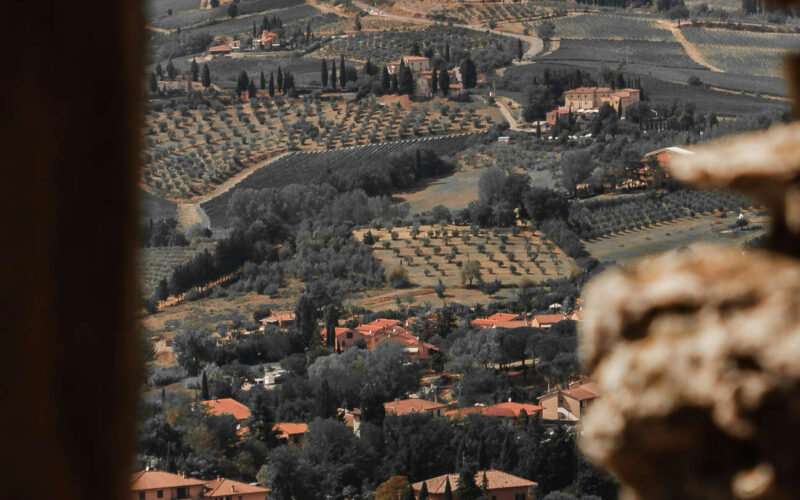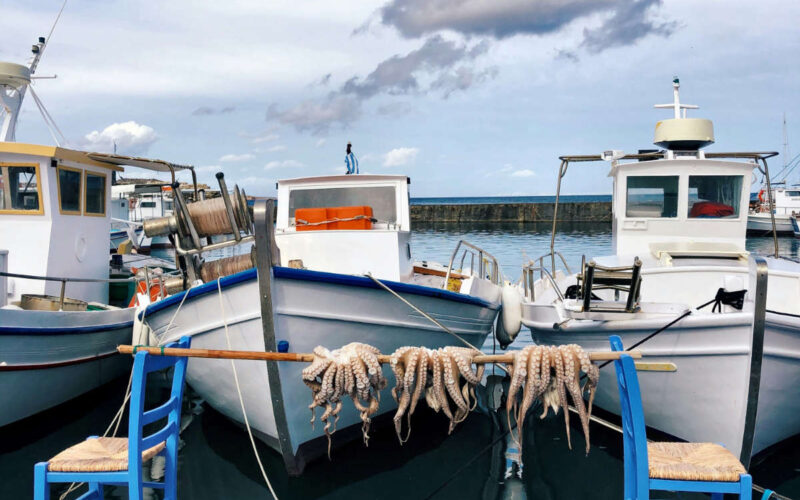


In 2026, travel trends in Greece are shifting towards slow travel – visitors are spending more time in fewer places to seek authenticity over hustle. Rather than racing through crowded hotspots, many travelers are opting for calm bases off the beaten path, where local life flourishes year-round. By avoiding the mid-June to mid-September rush, you can savour Greece at a relaxed pace, enjoying boutique accommodations and genuine cultural experiences without the crush of peak-season crowds. This guide highlights where to stay in Greece in 2026 region by region – from lesser-known Cycladic islands to charming mainland towns – focusing on serene bases and boutique hotels ideal for slow, immersive travel. We’ll explore the Cyclades (Paros, Naxos & Syros), Crete (Chania & South Crete), the Peloponnese (Nafplio & Kardamyli), Athens & Aegina, plus year-round destinations perfect for off-season trips. (Whether you’re planning a late-summer island escape in September or a cozy winter retreat, these areas offer a welcoming stay in any season.)
Hey Mediterra Explorer! 🌿
We love sharing the beauty of the Mediterranean with you, and we rely on readers like you to keep it going. If you enjoy our content, consider turning off your ad blocker—it helps us out. We might also earn a small amount if you shop through our affiliate links, and that support means the world to us.
Thanks for being here with us!
Mediterra Mag Team 🌊
Cyclades: Paros, Naxos & Syros
The Cyclades are famous for postcard-perfect islands like Santorini and Mykonos – but for a calmer 2026 experience, consider basing yourself on Paros, Naxos, or Syros. These three islands offer an idyllic Greek Island atmosphere with fewer crowds, an authentic local rhythm, and plenty of boutique lodging options. Notably, each has a substantial year-round community (Syros has ~20,000 residents, Paros ~14,000, versus under 11,000 on touristy Mykonos), so they don’t shut down in the off-season. You’ll find local cafes, shops, and cultural life humming along even after summer tourists depart – perfect for slow travelers who want to visit in shoulder months like May or September when the weather is warm but the vibe is laid-back.
Paros – Chic Villages with Local Charm
Paros is a balanced blend of traditional charm and modern chic. It’s lively enough in summer but far more mellow than Mykonos. Stay in Parikia, the whitewashed port town, for convenient ferry access and sunset views by the castle, or in Naoussa, a fishing-village-turned-boutique-hub known for its marina lined with tavernas and chic bars. Despite its popularity, Paros retains its soul – think mornings in quiet hill villages like Lefkes and evenings strolling the cobbled streets of Naoussa. There are stylish boutique hotels on Paros to choose from. Consider Parīlio Hotel, a design-forward boutique near Naoussa, for a tranquil retreat with a pool and spa (check availability on Booking.com). For a quieter locale, a family-run guesthouse in a seaside village like Aliki can offer peaceful beaches and local tavernas at your doorstep. Internal link: For island-hopping inspiration, see our Cyclades itinerary (Mediterra guide).
Naxos – Slow Family-Friendly Island Life
Neighboring Naxos is the largest Cycladic island and one of the most self-sufficient, with a year-round population around 20,000. Naxos is renowned for its agriculture, mountain villages, and endless beaches – making it ideal for travelers seeking a slow, family-friendly Greek island experience. Basing in Naxos Town (Chora) puts you in the center of activity near the Venetian castle and waterfront, but you can still find quiet corners in the backstreets and watch everyday life unfold. Alternatively, stay in a beach village like Agios Prokopios or Plaka for golden sands and laid-back beach bars, with Chora a short drive away. Naxos has fewer big resorts and more locally-run inns and villas. Boutique stay tip: Naxian Collection offers elegant villas and suites on a hillside above the town – a perfect blend of luxury and homey comfort (check availability on Booking.com). Don’t miss renting a car to explore Naxos’s interior: ancient temples, olive groves, and villages like Apeiranthos provide a glimpse into authentic island life.
(Travel tip: Naxos and Paros are among the best Greek islands to visit in September – the sea is still warm, seasonal crowds have thinned, and you’ll experience the islands at a relaxed pace.)
Not sure how Naxos compares to its more polished neighbor?
➤ Compare Paros vs Naxos in this honest guide.
Syros – Year-Round Culture & Elegance
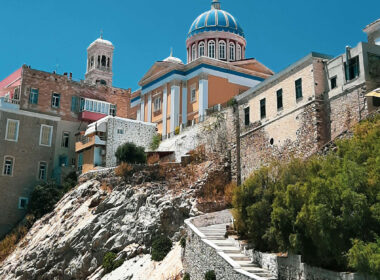
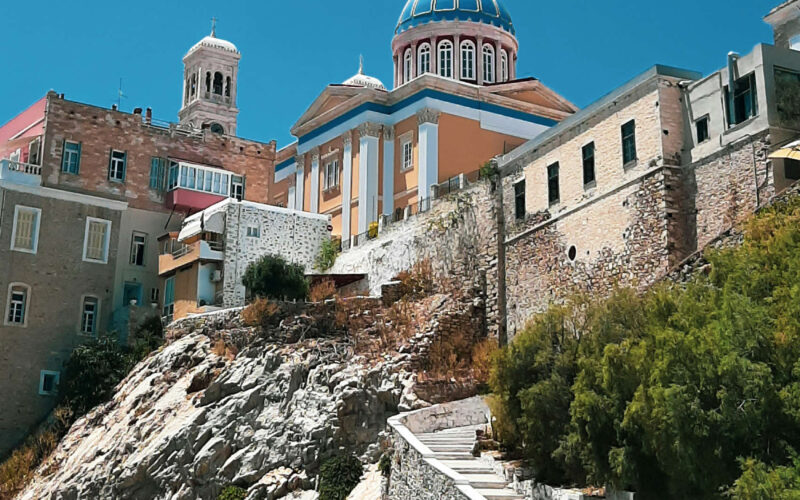
Syros, the administrative capital of the Cyclades, is a true hidden gem for those looking to experience Greek island life as the locals do. Centered around the port city of Ermoupoli, Syros boasts grand neoclassical architecture, colorful mansions, and a vibrant cultural scene. Unlike tourist-driven islands, Syros doesn’t close down in winter – people live and work here all year. Ermoupoli’s busy markets, cafes, and even an opera house (the Apollo Theater) stay active, giving the city a sophisticated vibe reminiscent of southern Europe. Stay in the Vaporia quarter of Ermoupoli, where boutique hotels occupy restored 19th-century mansions right by the Aegean Sea – the kind of places with marble staircases and sea-view terraces. For example, the elegant Hotel Ploes is a neoclassical mansion-turned-boutique with direct sea access – a romantic choice in the heart of town (Booking.com affiliate link). Syros’s beaches are small and uncrowded; you can join local families at Galissas or Kini beach for a leisurely afternoon swim. Come evening, do as the locals do: enjoy an ouzo at a waterfront café and stroll the marble-paved Miaouli Square with gelato in hand. Syros’ lively year-round community and cultural festivals (like the Ermoupolia arts festival) make it an inspiring base for off-season travel.
Crete: Chania & South Crete
Crete isn’t just Greece’s largest island – it’s practically a mini-country of its own, with diverse regions and a strong local identity. With over 630,000 residents, Crete is fully alive 12 months a year and sustains itself beyond tourism. For travelers seeking a calm base, Western Crete offers a great mix of accessible amenities and quiet escapes. In particular, the historic city of Chania and the remote south coast of Crete present two fantastic options for where to stay in 2026.
Chania – Venetian Charm and Boutique Elegance
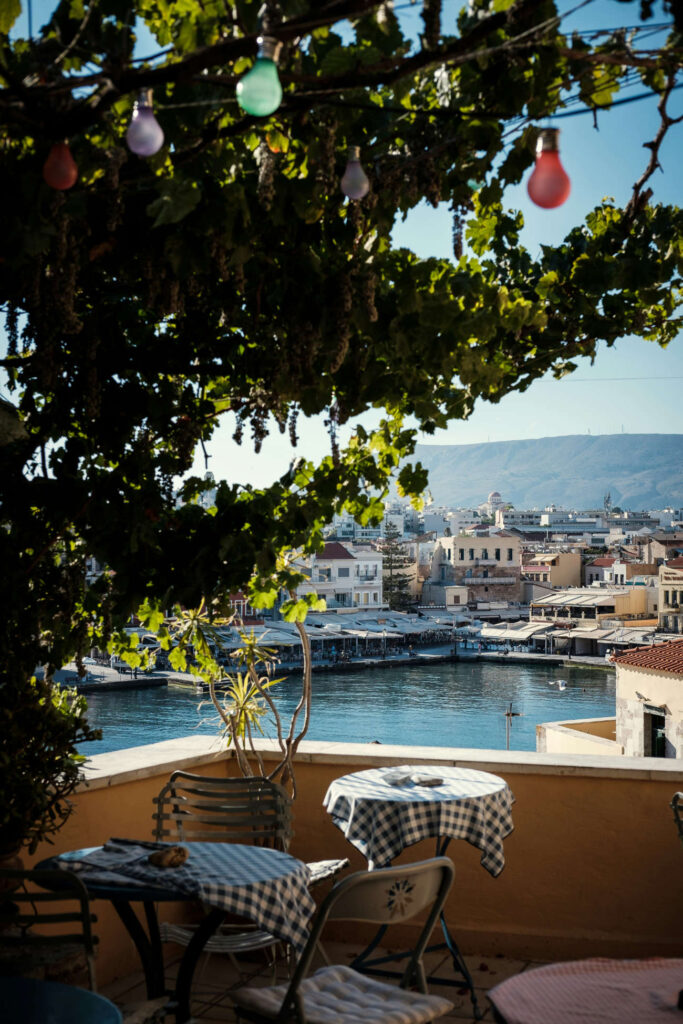
Chania (Haniá) is often called Crete’s most beautiful city, and it makes an atmospheric base without feeling overwhelming. Centered on a 14th-century Venetian harbor, Chania’s old town is a maze of narrow lanes draped in bougainvillea, filled with boutiques, artisan shops, and tavernas. Staying within the pedestrian old town or near the harbor gives you immediate access to Chania’s charms – stroll the waterfront promenade, visit lively markets, and dine on Cretan cuisine in flower-filled courtyards. Despite its popularity in summer, Chania retains a local community and laid-back pace, especially in shoulder season (spring or October). For a memorable stay, choose a boutique hotel in a restored Venetian mansion. Top picks include Casa Delfino, a family-run boutique with a rooftop terrace and spa set in a 17th-century mansion in the old port (check availability on Booking.com). Every morning, you can enjoy coffee by the harbor as fishermen unload the catch – an authentic start to your day. From Chania, you can easily explore western Crete’s highlights on slow day trips: drive out to wineries and olive farms, wander the colorful street markets, or relax on nearby beaches like Marathi or Stavros. (Experience idea: Hikers can join a guided trek through the Samaria Gorge from Chania – a full-day adventure through one of Europe’s longest canyons, perfect for active travelers in search of Crete’s wild beauty.)
South Crete – Untamed Beaches and Village Retreats
For an even calmer escape, head to Crete’s south coast, where rugged mountains give way to secluded coves and time-touched villages. The south of Chania and Rethymno regions is sparsely populated and feels a world apart from the busy resort towns up north. Base yourself in a small south-coast town like Paleochora, Plakias, or Matala for a taste of Crete’s untamed side. Paleochora, for instance, is a mellow village on a peninsula with two long beaches – it has just enough tavernas and cafés to enjoy, but the vibe is utterly unhurried. Days here are spent swimming in crystal-clear Libyan Sea waters, reading under tamarisk trees, and taking scenic drives to even more remote beaches (you might even find one to yourself). Accommodations in South Crete are cozy and low-key – think family-run inns, beach bungalows, and eco-retreats. One unique option is Milia Mountain Retreat (inland from the coast), an eco-lodge in a restored medieval settlement where you can disconnect from tech and connect with nature. Along the coast, look for small boutique hotels or apartments with sea views; for example, Libyan Princess in Paleochora offers modern comforts on the edge of a laid-back town. Many parts of South Crete feel tranquil even in peak summer, and if you visit in late September or October, you’ll experience warm days, empty beaches, and genuine hospitality as locals have more time to chat. Don’t miss a boat trip to Elafonisi Beach (famous for its pink sands) or a hike to Loutro, a postcard-perfect village only accessible by boat or foot.
Peloponnese: Nafplio & Kardamyli
If you’re looking to explore mainland Greece beyond the islands, the Peloponnese peninsula is a treasure trove of history, scenery, and authentic Greek life. It remains relatively uncrowded compared to the islands, even in summer. Two standout bases here are Nafplio in the northeast Peloponnese and Kardamyli in the Mani (southern Peloponnese). Both are calm, beautiful towns where you can truly slow down and feel connected to local rhythms.
Nafplio – Romantic Seaside History
Nafplio is often hailed as one of Greece’s prettiest towns – and as a former capital of the country, it’s steeped in history. Set along the Argolic Gulf just two hours from Athens, Nafplio makes an excellent, easy-to-reach base for a relaxing cultural getaway. The town’s Old Town is a delight of Venetian buildings, grand squares, and narrow alleys filled with shops and cafés. You can spend hours wandering, discovering local artisan workshops and gelato stands tucked in the backstreets. Nafplio’s waterfront promenade and small city beach (Arvanitia) offer lovely spots to unwind with a sea view. Above town, the Palamidi Fortress towers on a hill – if you’re up for the climb (999 steps, as legend says), you’ll be rewarded with panoramic views and a sense of stepping back in time. Despite its popularity on weekends (Athenians often come for a quick escape), Nafplio retains a laid-back, romantic ambiance, especially on weekdays or outside high summer. Boutique accommodation abounds in Nafplio: you might stay in a converted neoclassical mansion turned boutique hotel, with high ceilings and balconies. For instance, 3Sixty Hotel & Suites offers stylish rooms in a restored historical building and an excellent wine bistro on site (ideal for couples) – one could insert a Booking.com affiliate link here. Alternatively, Amymone Pension is a charming, affordable boutique guesthouse with artistic decor and a homely feel. Because Nafplio is a year-round town (many residents and students live here), you’ll find tavernas and cafes open even in winter, and a lively evening volta (stroll) along the seafront by locals. From Nafplio, you can take short trips to ancient sites like Epidaurus Theater or Mycenae – but you might just be tempted to linger in town, sipping Greek coffee under a bougainvillea pergola.
Kardamyli – Artistic Village in the Mani
On the wild Mani peninsula in the southern Peloponnese lies Kardamyli, a little stone-built village that has long attracted writers, hikers, and those seeking an unspoiled Greek retreat. Flanked by the Taÿgetos mountains and the Messinian Gulf, Kardamyli is breathtakingly scenic and famously tranquil. Here, old tower houses and olive groves create a timeless landscape that inspired travel writer Patrick Leigh Fermor, who made Kardamyli his home. Life in the village moves slowly: days are spent swimming at pebbled beaches like Ritsa or Foneas, exploring cobbled lanes and Byzantine-era chapels, or hiking the mule paths into the hills (spring wildflowers here are spectacular). In the evenings, a handful of seafront tavernas serve up fresh fish and local Maniot dishes as the sun sets over the sea. Accommodations in Kardamyli tend toward rustic elegance – family-run boutique hotels, stone villas, and guesthouses that blend into the environment. One of the Peloponnese’s most renowned boutique hideaways, Kyrimai Hotel, is located a bit further south in Gerolimenas – a 19th-century stone warehouse turned luxury hotel, offering a one-of-a-kind stay in the Mani region. In Kardamyli itself, you might opt for a boutique guesthouse like Elies (set in an olive grove with cottage-style rooms) or a cozy inn like Patriarcheas with traditional stone architecture. This region is a slow traveler’s paradise – even in August, the Mani sees a fraction of the tourists that flock to the islands. You’ll share the sunsets and hiking trails mostly with Greeks and a few in-the-know visitors. It’s easy to find your own rhythm, perhaps starting the day with a swim and ending it star-gazing on a quiet terrace. If you visit outside summer, Kardamyli remains wonderfully peaceful; a few local tavernas stay open year-round serving hearty Maniot food (think oranges, olives, and smoked pork), catering to the trickle of off-season visitors and residents who wouldn’t live anywhere else. (Internal link: For a deeper exploration of this region’s highlights, see our Peloponnese travel guide on Mediterra.)
Athens & Aegina
No trip to Greece is complete without experiencing Athens – but that doesn’t mean you have to sacrifice calm and charm. The key is choosing the right base in the Athens metropolis, and if time allows, pairing your city stay with a quick island escape to nearby Aegina for a dose of tranquility.
Athens – Neighborhood Living in the Capital
Athens may be a bustling capital of 3+ million, but it also contains quiet, village-like neighborhoods and intimate boutique hotels where you can retreat after a day of sightseeing. For a calmer Athens experience, consider staying in areas like Pangrati, Koukaki, or Thissio/Petralona – residential districts adjacent to the historic center that offer a more local feel. You’ll be close to the main attractions (it’s easy to reach the Acropolis, Ancient Agora, etc.) but tucked away on leafy streets where Athenians go about their daily lives.
For instance, Pangrati has trendy cafés, food markets, and a young local vibe, while Koukaki (just south of the Acropolis) is full of small eateries and boutiques but quieter at night than touristy Plaka.
Athens has seen a boom in boutique hotels and design B&Bs, often in renovated townhouses or stylish contemporary builds.
One standout is Shila Athens, a six-suite boutique guesthouse in Kolonaki that feels like a cross between an artist’s loft and a serene hideaway – perfect for travelers who appreciate art and design (booking link could be added).
Another great option is InnAthens, tucked behind Syntagma Square with a secret courtyard that insulates it from the city’s buzz. Wherever you stay, plan to explore Athens beyond the ancient ruins: wander through the National Garden for a morning walk, join the evening promenade on pedestrian Dionysiou Areopagitou street around the Acropolis, and dine where locals dine – perhaps at a tucked-away taverna in Kypseli or a modern meze bar in Petralona.
Athens is increasingly positioning itself as a year-round city break destination, with plenty of cultural events even in the cooler months.
In winter, you can find excellent theater performances, gallery openings, live music, and cozy cafe culture to enjoy. (Indeed, Athenians often say the city is at its best in autumn and winter, when the tourist throngs thin out and everyday life takes center stage.)
Aegina – Laid-Back Island Escape Near Athens
Just a 1-hour ferry ride from Athens, Aegina is the perfect calm complement to your city stay. This Saronic Gulf island is close enough for an easy overnight or weekend, yet it feels a world away from the urban hustle.
Aegina is beloved by Athenians as a quick escape, so it has a real community vibe especially on weekends, and it remains lively year-round in a low-key way.
Stay in Aegina Town, the main port, which has neoclassical buildings in pastel hues, a bustling fish market, and waterfront cafés where locals linger over coffee. It’s an enjoyable base with everything in walking distance – from the ferry pier you can literally roll your suitcase to a charming inn within minutes.
There are a few boutique guesthouses and renovated mansions in Aegina Town offering an atmospheric stay. For example, Hotel Rastoni is a highly-rated boutique hotel set in a pistachio grove just 10 minutes’ walk from the port, known for its peaceful gardens and Acropolis views from some rooms. (Aegina is famous for pistachios – don’t miss trying fresh roasted pistachios or pistachio gelato during your stay!)
If you prefer extra seclusion, you could stay in the fishing village of Perdika at the south of the island, where there are simple waterfront studios and a serene ambience, especially in the evenings when day-trippers have left.
Aegina’s attractions are understated: an ancient temple to Aphaia sits on a hilltop (forming the “holy triangle” with the Parthenon and Poseidon’s Temple at Sounion), and there are a few small beaches and monasteries to explore. But the joy of Aegina is in its unhurried pace.
Do as islanders do – take a midday nap, stroll the promenade at sunset with an ice cream, chat with shop owners – and you’ll quickly slip into sync with Aegina’s gentle rhythms.
Visiting in off-season is equally rewarding; even in winter, you’ll find tavernas open and island life continuing, just bring a jacket for the sea breeze. Aegina proves you don’t need to travel far from Athens to find a boutique island experience that feels a million miles from the crowds.
Year-Round Destinations & Off-Season Travel
One of the pleasures of exploring Greece is that it’s not just a summer destination. In fact, Greece 2026 travel is leaning increasingly towards year-round exploration. Savvy travelers are discovering the joy of visiting Greek destinations in the off-season – be it autumn, winter, or early spring – when you can experience authentic local life without the tourist fanfare. The key is knowing where to go in the off-season, since many smaller islands do quiet down significantly in winter.
The good news is that several of the calm bases we’ve discussed are also year-round destinations with enough local population and cultural activity to be enjoyable any time of year.
For instance, Athens is an obvious year-round city – Greece’s capital never really sleeps, and outside the peak summer heat you’ll find it brimming with theater shows, concerts, and new restaurant openings (after a lull in late August, the city “wakes up” for a vibrant fall and winter season). Crete, with its large cities like Heraklion and Chania (and hundreds of thousands of residents island-wide), remains fully functional through winter.
You can visit archaeological sites without crowds and even enjoy mild sunny days especially on the south coast – Crete’s winter is on the cooler side but still far gentler than northern Europe’s.
Islands with substantial local communities, such as Syros and Naxos in the Cyclades, also make excellent off-season bases. Syros, as mentioned, stays open 12 months a year due to its role as Cyclades’ capital – you’ll find shops, hospitals, and theaters operating and a buzz in Ermoupoli even in January.
Naxos too has many villages with life year-round, and some hotels and restaurants in Naxos Town cater to off-season visitors (often, these islands see weekend visitors from Athens throughout the year, keeping them alive).
In the Peloponnese, Nafplio is a fantastic winter weekend destination – it’s actually at its most atmospheric in December or February when Greeks fill the cafés on a sunny Sunday and you can have fortress ruins or museums nearly to yourself.
Similarly, mountain villages in the Peloponnese (or Zagori in Epirus if you venture north) offer cozy guesthouses with fireplaces for winter trips, though those are beyond our main scope here.
Where to Stay in Greece in Winter 2026
If you’re specifically wondering where to stay in Greece in winter, here are a few ideas and considerations:
Athens & Thessaloniki (Cities): Cities are the safest bet for winter because everything remains open. Athens, as detailed, has plenty to do in winter – from museums and ancient sites (much quieter now) to modern cultural life. Thessaloniki (Greece’s second city, in the north) is also a lively year-round city known for its food scene and history. Both offer boutique hotels (try the art-filled InnAthens or O&B Athens Boutique Hotel in Athens, or The Modernist in Thessaloniki) and allow you to experience Greek urban culture without summer tourists. These cities also make great bases for day trips – e.g., from Athens you can do a winter day trip to Delphi or a wine tour in Nemea.
Crete: As the largest Greek island, Crete is one of the best islands to visit in winter. You might base in Chania or Heraklion – both cities have year-round nightlife, markets, and museums open. Chania’s charming Venetian quarter is peaceful in winter, and you can mingle with locals at the central market or take scenic drives into the mountains (you might even see snow on the peaks). Some countryside inns and hiking trails are still accessible (though Samaria Gorge is closed in winter for safety). Heraklion offers the excellent Archaeological Museum (with Minoan treasures) and nearby Knossos palace without the lines. Note that in winter, ferry schedules to smaller islands are limited, but Crete is reachable by flight easily.
Syros, Naxos, or Rhodes: Among the islands, Syros stands out for winter (as noted, it’s culturally active year-round with a 20k population and even hosts events like the Syros International Film Festival). Rhodes in the Dodecanese, being a large island (over 100k residents), also has life in Rhodes Town through winter – its medieval Old Town is quite magical on a quiet winter day. Naxos will be very local in winter (many hotels close, but a few stay open in Naxos Town; you’ll experience a truly authentic vibe and perhaps even catch the island’s Carnival celebrations if visiting in February). Another option is Corfu in the Ionian Sea; Corfu Town remains active and has an elegant feel year-round (though inland villages on Corfu do get very quiet in winter).
Mainland Villages & Spa Towns: Greece’s mainland has some winter gems – Arachova (near Delphi) for a mountain village vibe and skiing, Kalavryta in the Peloponnese for a mix of history and mountain scenery, or Metsovo and Zagori in Epirus for alpine charm. While these aren’t “calm bases” in the summer sense, they are wonderful off-season destinations with boutique guesthouses (often with fireplaces, ideal for a cozy stay).
Wherever you go, traveling Greece in winter or the shoulder seasons lets you engage with the local way of life. You’ll join Greeks in enjoying simple pleasures – chatting over a coffee that lasts two hours, attending a local festival or weekly market, maybe even saying “yasas” to familiar faces each evening. Greece’s concept of filoxenia (hospitality toward strangers) shines brightest when you’re one of the few foreign visitors in town – don’t be surprised if you’re invited in for a home-cooked meal or a free drink at the taverna. And importantly, prices for accommodation are lower in off-season, and you can often pick your perfect boutique stay without needing to book months in advance.
By considering these calm bases and boutique hotels across different regions, you can craft a Greek itinerary that aligns with a slower, more meaningful travel style in 2026. Whether you’re island-hopping in the Cyclades or exploring mainland havens, Greece offers a wealth of serene locations that invite you to settle in, breathe, and savor the moment. Skip the crowds, embrace the off-peak charm, and you’ll discover a side of Greece that most summer tourists miss – one that just might inspire you to return again and again. Kalo taxidi! (Happy travels!)